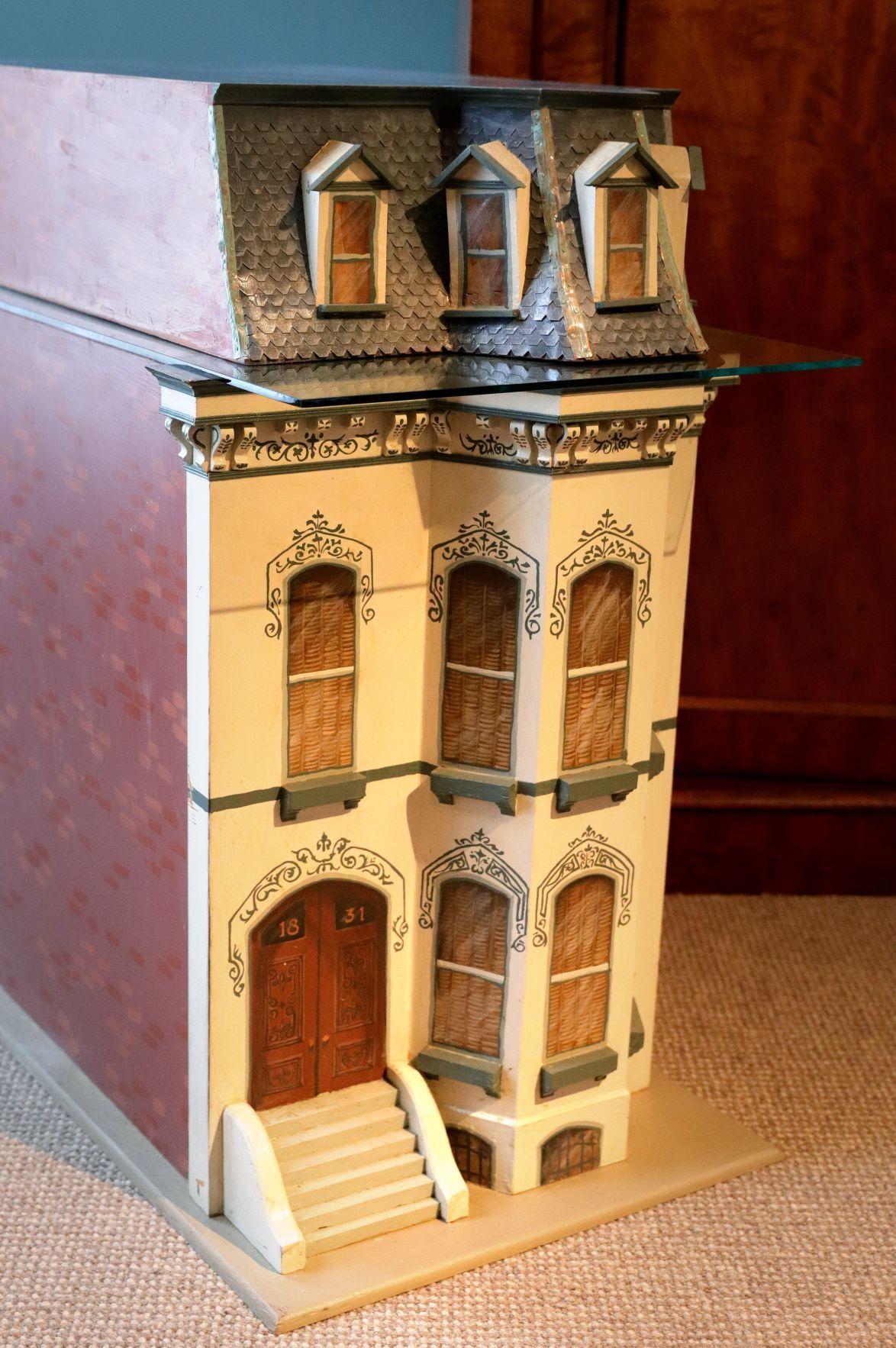
^ I'm not sure I would agree, even though I understand that the exact dictionary definition considers row/terraced housing to be attached with party walls. I just think it's a little presumptuous to define them all that way considering the amount of different styles of urban homes in this country.
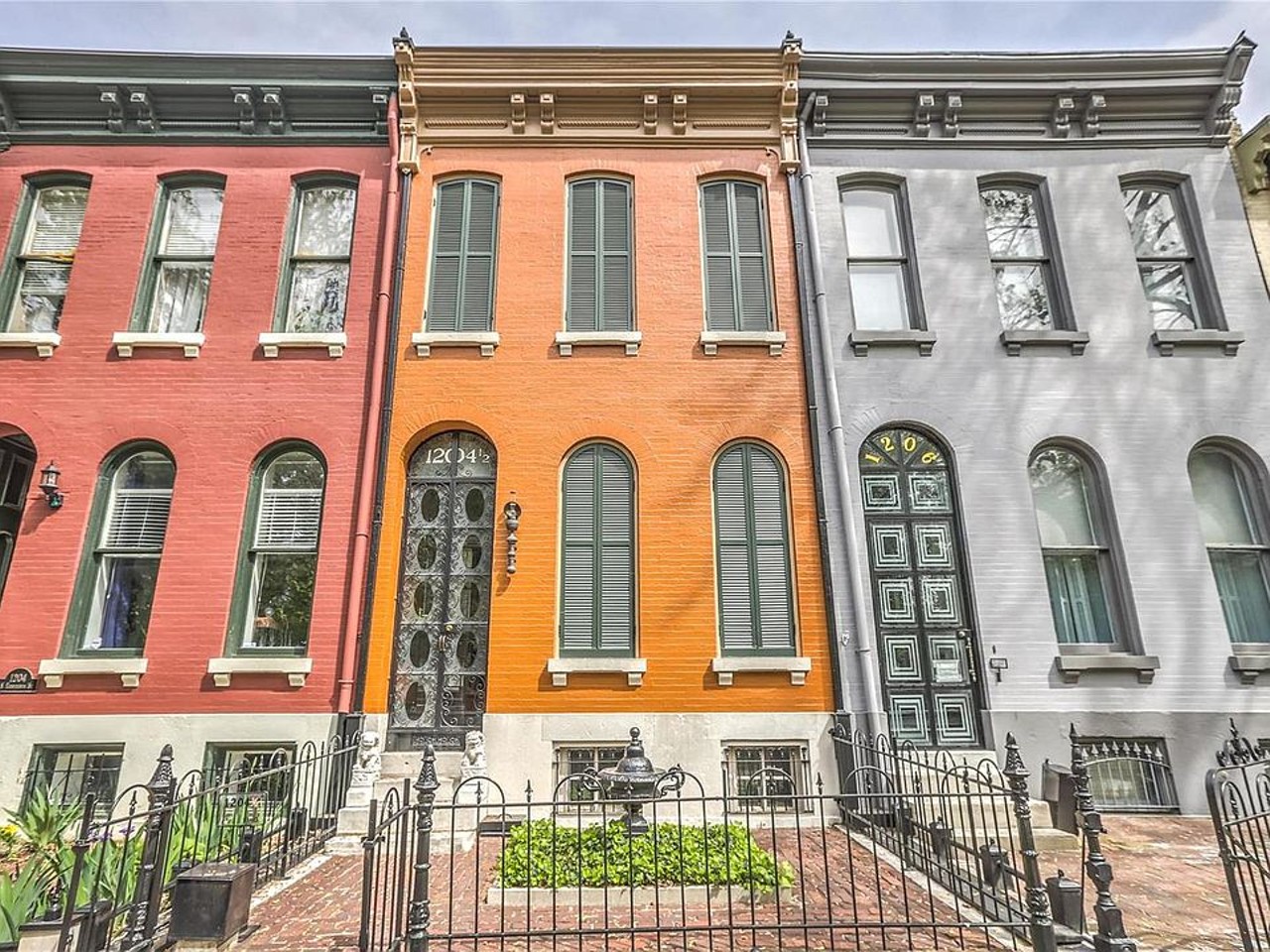
Not that my personal definition means anything to anyone, but I generally consider row homes to be homes that share a common look, facade, design, and setback. The Harris Row and my picture from Russell are quintessential St. Louis row houses, in my humble opinion. No, they may not be attached like in Baltimore or Philly...but it's a common row of buildings with little space in between them on tight urban lots with similar facades, brickwork, setbacks, etc. I think your average person would call those row homes, tbh.
For what it's worth I am with you in that I prefer St. Louis' detached row homes over the more basic looking attached rows in Baltimore or Philly. But the architecture lover in me still gets a little flutter when I come across one of these in St. Louis

![]()
Anyway, not here to argue since you're actually right. I just don't agree with that rather narrow definition. I do agree in that attached storefronts do not qualify as row homes, even if they've been converted to residential, except maybe in the above image where you'd have a corner commercial space attached to the row of homes.
@synphonicpoet, love the pics! Keep em coming. Also, feel free to share any more cool little details like the mousehole, hadn't seen that before! Here are a few more of mine. Starting with a few from Lafayette Square:
![]()
![]()
![]()
![]()
Some detached row homes along Shenandoah:
![]()
Lafayette Avenue:
![]()
More Russell:
![]()
And last but not least, a little Baltimore action in South St. Louis:
![]()