Tapatalk

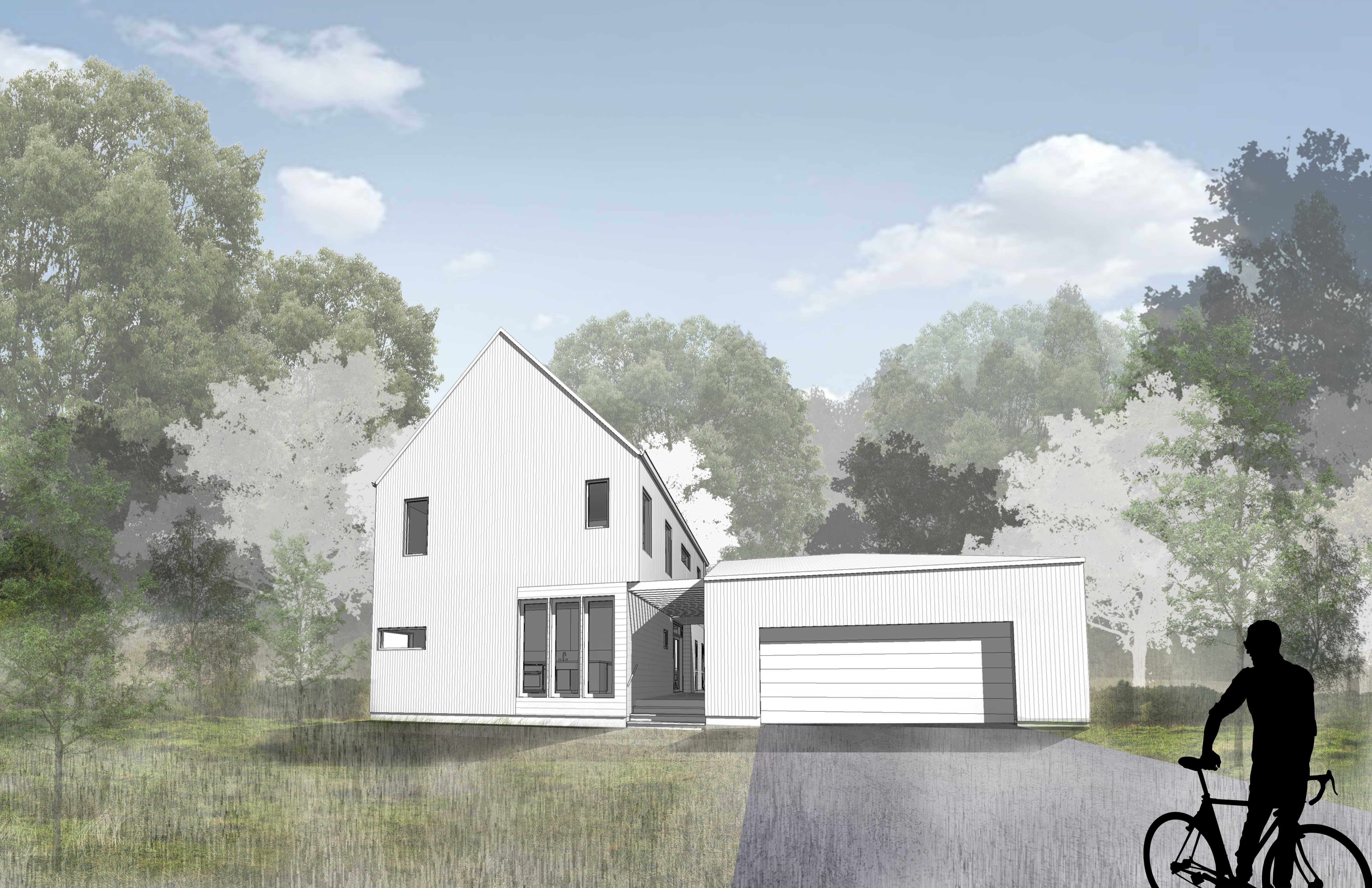
Winding Rose, Troy Illinois, by UIC

Winding Rose, Troy Illinois, by UIC

12K
Life MemberLife Member
12K

PostJul 15, 2020#1

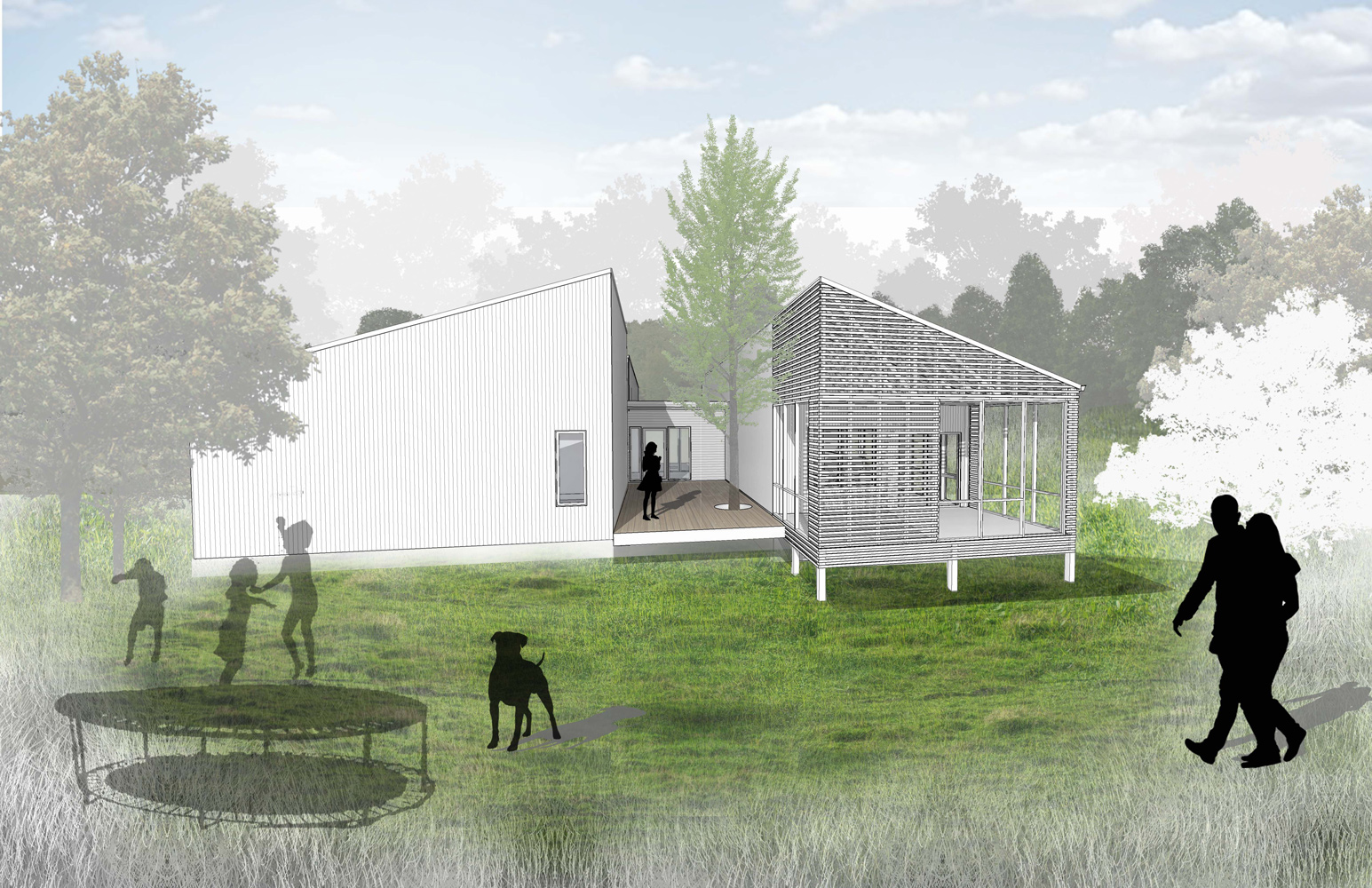
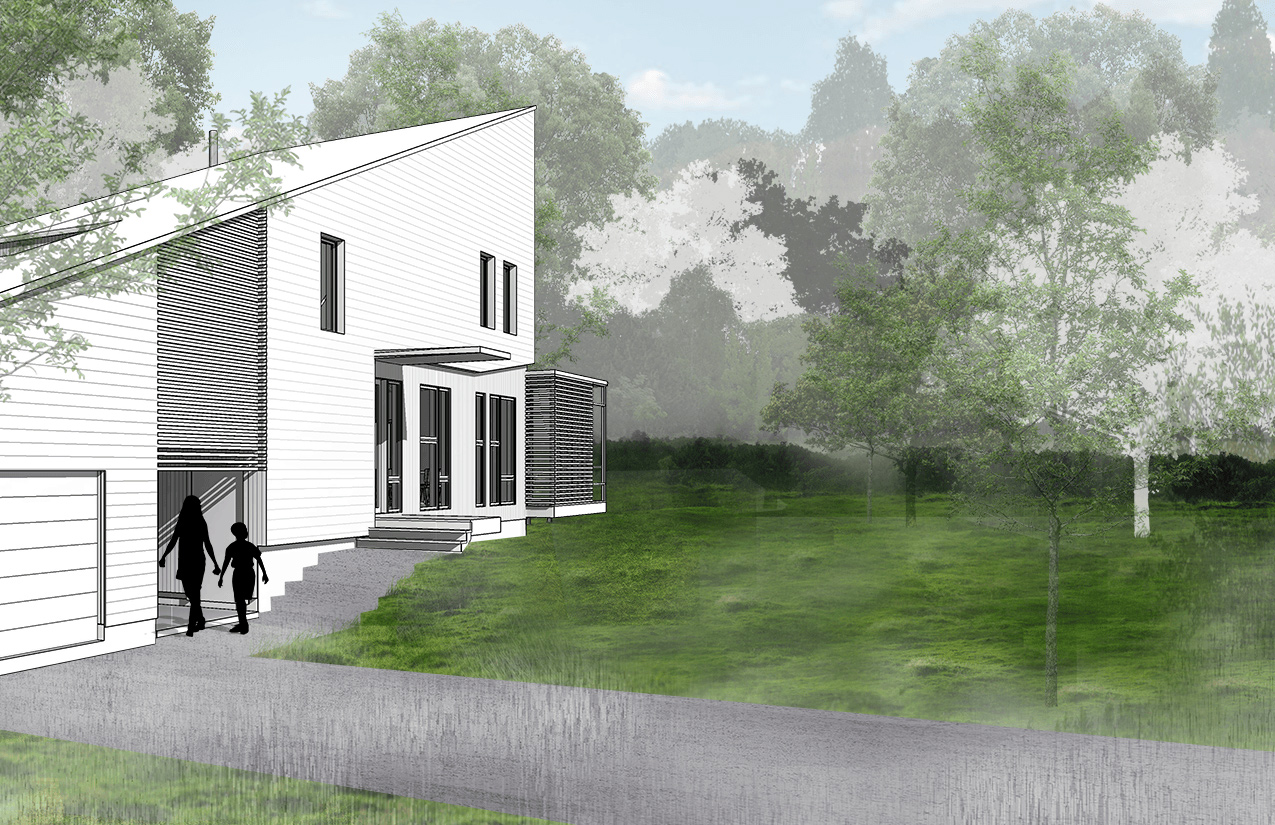
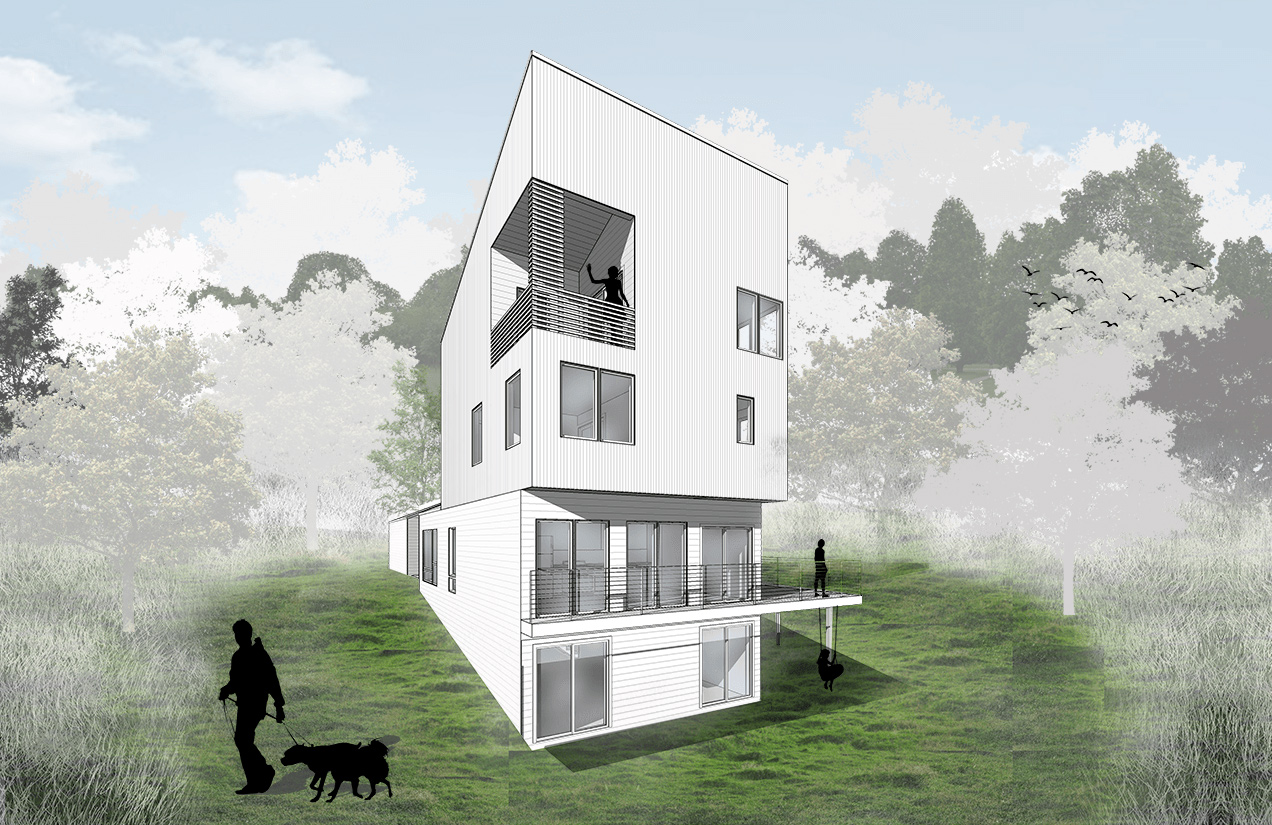
Interesting concept. A thirteen-lot, all-modern subdivision is being developed by UIC in Troy Illinois. 

 https://www.windingrosehomes.com/?fbcli ... p8X3p-kCBY


13K
Life MemberLife Member
13K

PostJul 15, 2020#2

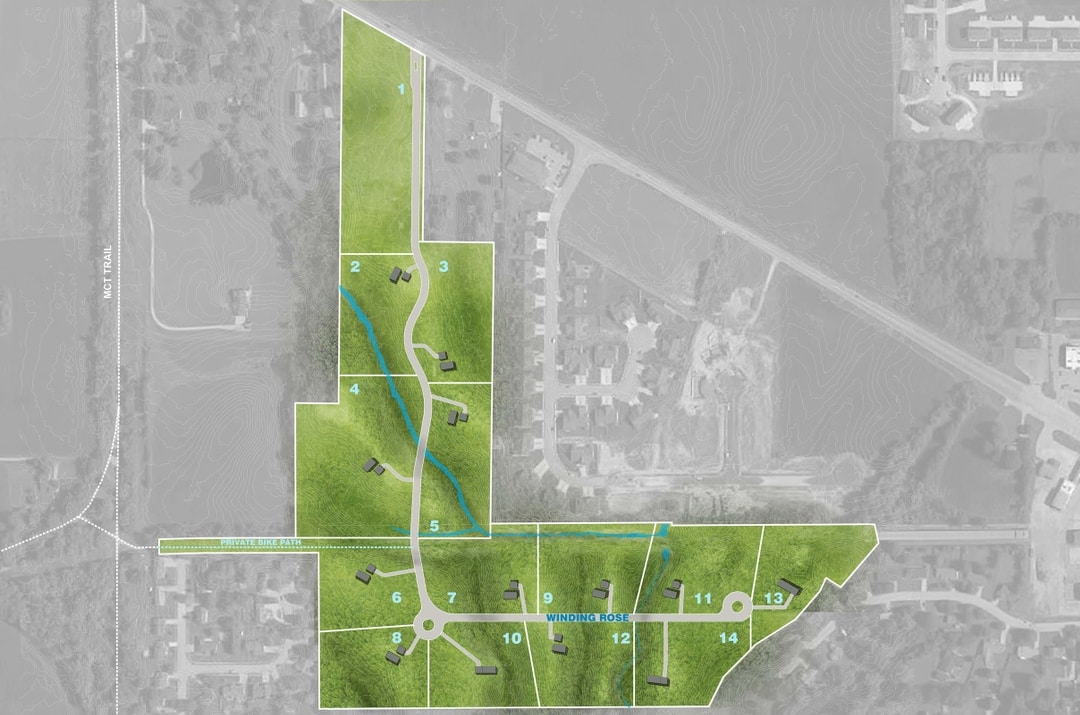
How big are those lots? Looks terribly wasteful

1,864
Never Logs OffNever Logs Off
1,864

PostJul 15, 2020#3

You are overly obsessed with lot size.  This is a site that's in Troy, IL... literally across the street from cornfields.  Built in what appears to be a wooded lot of land where the intention is to have plenty of space and privacy, while keeping as much of the existing trees as possible.  Looks like they've already sold two, based on their Instagram.  

https://www.instagram.com/uicstl/

443
Full MemberFull Member
443

PostJul 15, 2020#4

chaifetz10 wrote:
Jul 15, 2020
You are overly obsessed with lot size.  This is a site that's in Troy, IL... literally across the street from cornfields.  Built in what appears to be a wooded lot of land where the intention is to have plenty of space and privacy, while keeping as much of the existing trees as possible.  Looks like they've already sold two, based on their Instagram.  

https://www.instagram.com/uicstl/
This is urbanstl, not suburbanstl. These are sprawling lots in Troy, IL a town that's growing due to sprawl despite existing in a contracting region in the metro east. It could be worse I guess. These could be getting built in Highland

4,553
Life MemberLife Member
4,553

PostJul 15, 2020#5

quincunx wrote:
Jul 15, 2020
How big are those lots? Looks terribly wasteful
Indeed. Hopefully it gets sacked by the Mycenaeans.

1,864
Never Logs OffNever Logs Off
1,864

PostJul 15, 2020#6

BellaVilla wrote:
Jul 15, 2020
This is urbanstl, not suburbanstl. These are sprawling lots in Troy, IL a town that's growing due to sprawl despite existing in a contracting region in the metro east. It could be worse I guess. These could be getting built in Highland
Is your point that these lots should conform to urban density specifications or that they shouldn't be built in Troy, IL at all?  

Someone who wants to build a house like this in Troy, IL on a large lot is not going to want to live downtown or even in the CWE.  Why can't we just be excited to see modern house designs being built in the general region?  

3,762
Life MemberLife Member
3,762

PostJul 15, 2020#7

chaifetz10 wrote:
Jul 15, 2020
This is a site that's in Troy, IL... literally across the street from cornfields.  Built in what appears to be a wooded lot of land where the intention is to have plenty of space and privacy...
i think that's kind-of the point. if these had wells and septic systems and were powered by the sun, then no problem. instead, taxpayers that don't live there will end up subsidizing their infrastructure for them, and a neglected bridge somewhere will collapse a little more.

1,864
Never Logs OffNever Logs Off
1,864

PostJul 15, 2020#8

So any new home construction that isn't within an urban core is bad then?  I seriously don't understand the negativity towards this small modern home development.   

4,553
Life MemberLife Member
4,553

PostJul 15, 2020#9

chaifetz10 wrote:
Jul 15, 2020
Why can't we just be excited to see modern house designs being built in the general region? 
Not just the financial cost (as u_d points out), but the significant environmental cost of this pattern of land use. 

12K
Life MemberLife Member
12K

PostJul 15, 2020#10

I like it. This is pretty far away from the urban core; I don't think any of us should feel threatened by it. 

As a region, we need to provide all types of housing for all types of people.  

3,762
Life MemberLife Member
3,762

PostJul 15, 2020#11

chaifetz10 wrote:
Jul 15, 2020
So any new home construction that isn't within an urban core is bad then?  I seriously don't understand the negativity towards this small modern home development.   
i'm just defending quincunx's point, which is valid. if people want to live like this that's great, as long as they pay for it. problem is, they don't. they receive a disproportionate amount infrastructure and service per capita and spread the resources of a stagnant metro thinner and thinner. and then there's the environmental impact of sprawl, as wabash mentioned.

13K
Life MemberLife Member
13K

PostJul 15, 2020#12

And the public health impact of a dozen more households that have to drive for everything.
And the degradation of and financial burden to the places they'll drive to for the road capacity to enable the driving and the space dedicated to parking.

1,099
Expert MemberExpert Member
1,099

PostJul 15, 2020#13

Also, just looking at that map there, this subdivision is noticeably more spread out than even the cul de sacs that surround it. No sidewalks either. 

1,864
Never Logs OffNever Logs Off
1,864

PostJul 15, 2020#14

By this logic, any small town in rural America or single family home built out in the countryside is a public health concern and financial burden.  I understand that people here want to see urban planning everywhere, but that's just not realistic.

If this development had more houses, people would complain that it's just more urban sprawl.  If the lot was used for just a single family home instead, people would say it's a waste of land.  I feel like the only outcome that would make some people happy is if these homes were built as infill on existing empty lots in the city itself.  

13K
Life MemberLife Member
13K

PostJul 15, 2020#15

Yes, whether it's a small town or a large metro, development patterns that coerce driving are a public health, environmental, and financial concern. I'm frequently reading stories of small towns struggling, yet they send loads of wealth away driving and burden themselves with infrastructure liabilities they can't afford to enable auto-oriented development patterns.


Bethel OH - this story is about a conflict over BLM , but there's some subtext of "There's no money for the things that create community" Well if they weren't sending as much wealth away driving everywhere and maintaining the infrastructure to enable it, maybe they would.
Community members fought for years to get a levy passed to support the village’s schools. When the local pool was sold to the city, the insurance costs were too high, and officials shut it down entirely. A smattering of events, fairs, and festivals in the area have been cut for lack of funding. There’s still a Christmas parade, but the remaining activities are church-affiliated in some way. A few years ago, the village’s one non-chain restaurant, the Blue Haven, famous for its homemade pies, shut its doors. “After Sunday, people keep saying, you know, if the Blue Haven was still around, all of this never would’ve happened,” Andrea Dennis told me.

“There aren’t many events to look forward to anymore,” Anwen Darcy explained. “Things like Pioneer Days or whatever, it might not sound like a big deal, but that’s the stuff that knits a community together. Now it’s just a bunch of people loosely living together in the same place.”
https://www.washingtonpost.com/nation/2 ... erprotest/


Remer MN - 

https://www.strongtowns.org/journal/201 ... s-advocate

443
Full MemberFull Member
443

PostJul 15, 2020#16

chaifetz10 wrote:
Jul 15, 2020
By this logic, any small town in rural America or single family home built out in the countryside is a public health concern and financial burden.  I understand that people here want to see urban planning everywhere, but that's just not realistic.

If this development had more houses, people would complain that it's just more urban sprawl.  If the lot was used for just a single family home instead, people would say it's a waste of land.  I feel like the only outcome that would make some people happy is if these homes were built as infill on existing empty lots in the city itself.  
You clearly haven’t spent much time in small town America. Most small towns are quite urban in design

1,864
Never Logs OffNever Logs Off
1,864

PostJul 15, 2020#17

I literally grew up in a central Illinois small town, moving to St. Louis for college.  Parent's still live in the same small house on the edge of town, across from  cornfields.  

There are some towns that are urban in design that have a town square (typically the county seat), but the vast majority of small towns in America don't have this.

4,553
Life MemberLife Member
4,553

PostJul 15, 2020#18

chaifetz10 wrote:
Jul 15, 2020
If the lot was used for just a single family home instead, people would say it's a waste of land. 
I disagree. Putting one house on this lot would contribute much less to congestion, pollution, runoff issues, and destruction and disruption of the natural habitat.

12K
Life MemberLife Member
12K

PostJul 15, 2020#19

Jeez. . . tough crowd. 

2,055
Life MemberLife Member
2,055

PostJul 15, 2020#20

framer wrote:
Jul 15, 2020
I like it. This is pretty far away from the urban core; I don't think any of us should feel threatened by it. 

As a region, we need to provide all types of housing for all types of people.  
Agreed, the problem is more that, we as a region, haven't created an environment where those people buying homes in Troy would have preferred to build them in CWE, North City, or South City. Until the positives of living in our urban environment outweigh the negatives (that's different for everyone), we'll always lose out to some people moving to Troy, Chesterfield, or Belleville.

When/if that changes we most likely won't be worried about a few homes in Troy because the density would most likely be exploding in the city and increasing in the county. 

53
New MemberNew Member
53

PostJul 15, 2020#21

I would rather have less land utilization on a bigger plot of land for development to reduce the suburban nature of squeezing a house into every ounce of land. In this way, you can foster a more dramatic separation of urban and rural atmospheres, while not having car-centered big-box retail areas that destroy the environment and community in peripheral areas... Also IMO it's time for American housing to become more contemporary rather than cheaply taking designs from previous eras (different architecture=diffrent mindset).

3,964
Life MemberLife Member
3,964

PostJul 19, 2020#22

The like that they have a bike path that will connect to the main trail network over there. Lots of places you can bike with that.

Sidewalks in this would be a waste. Just more concrete where you don’t need it. I grew up in a neighborhood in a small town. Most didn’t have sidewalks and I never felt we needed one. No one in this will be driving fast and I would guess kids will play in the streets. You can walk or bike in the street pretty safely in this setup (no thru streets, a couple different circles, only 14 lots). There will be very minimal car traffic.

Where I live now there are sidewalks and I feel like over half the people walk in the street anyway, and it is a lot more urban than this setup. I don’t really understand it.